

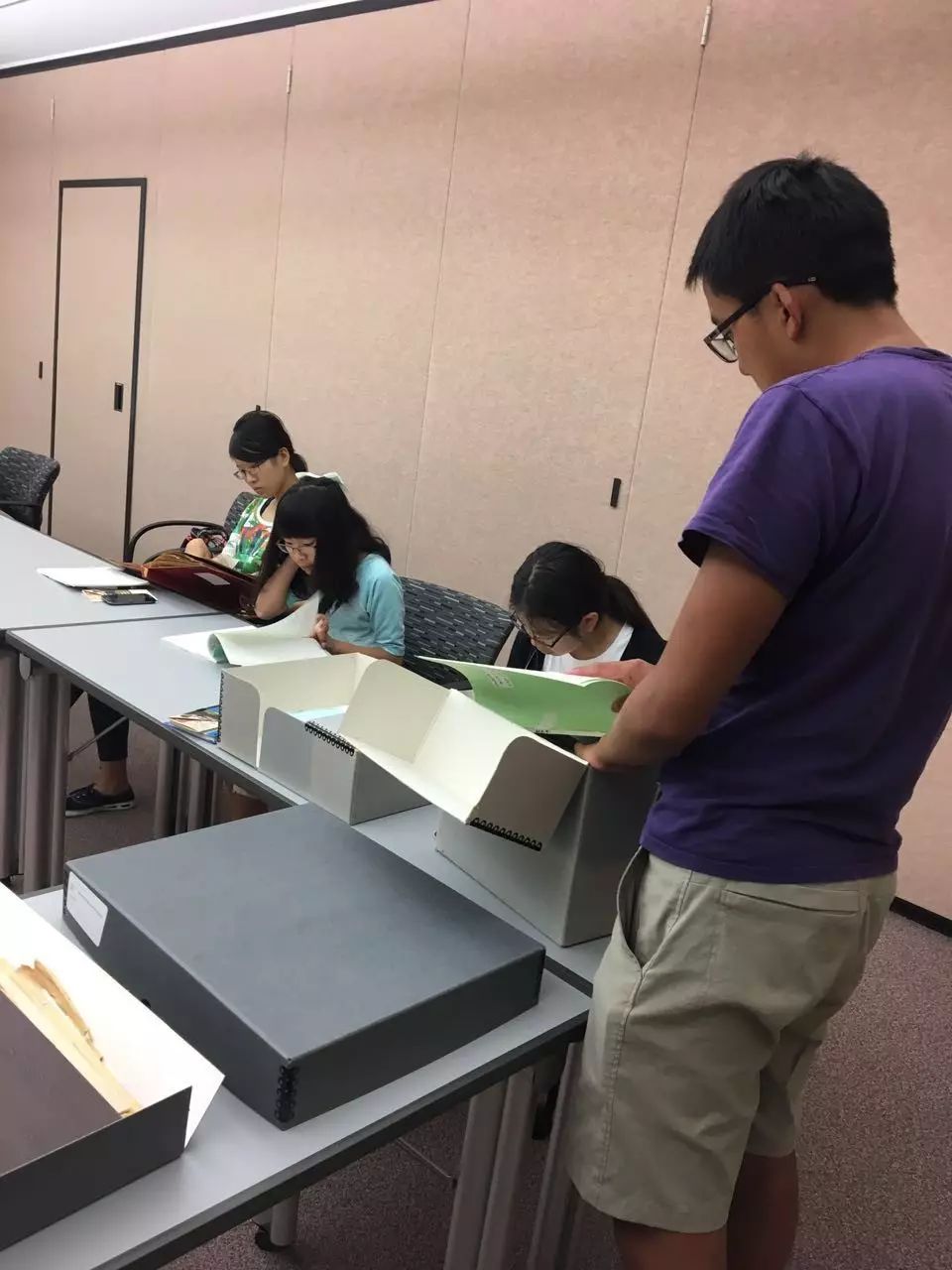
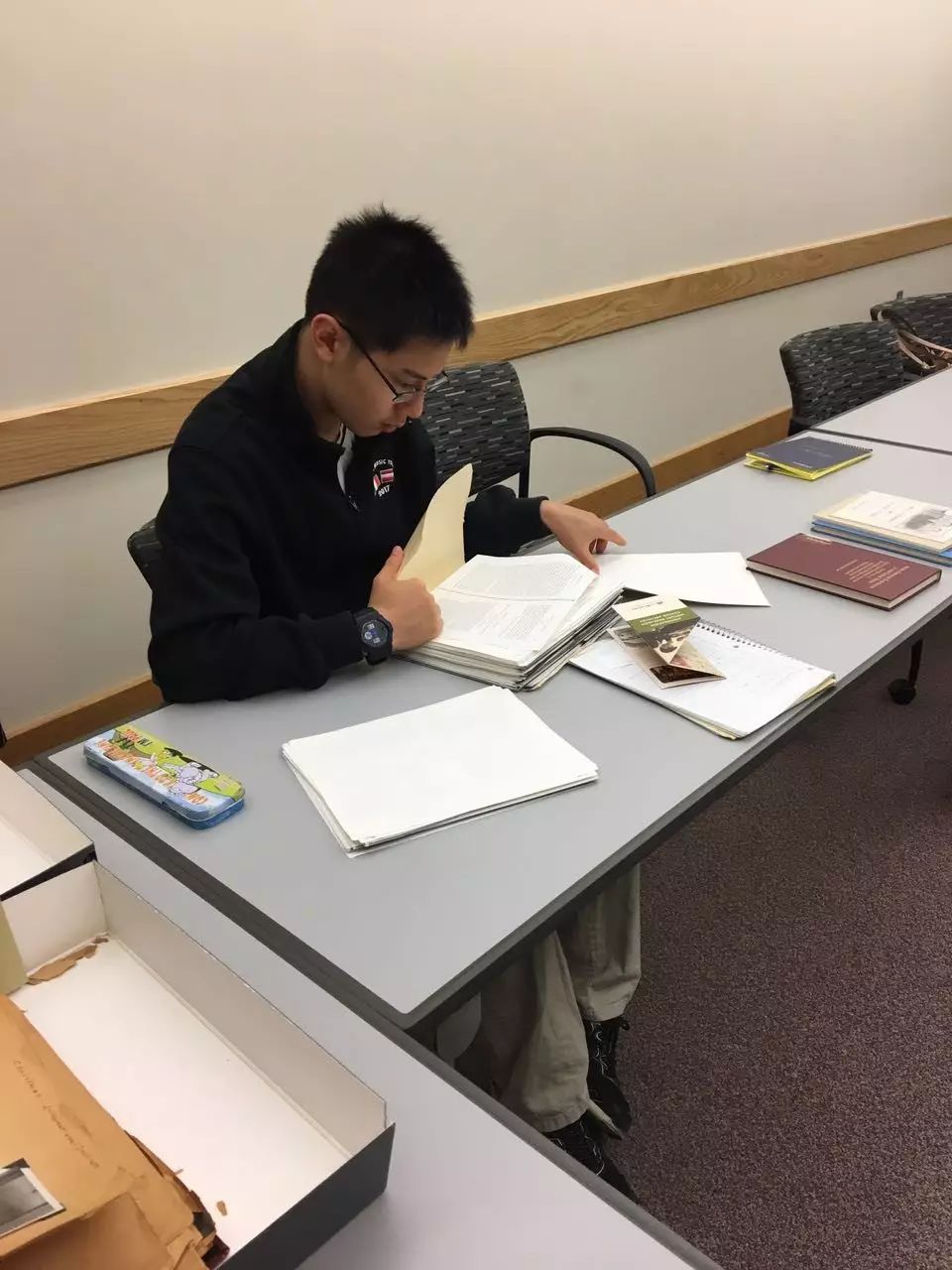
美国华人维权联盟青少年写作组成员浏览图书馆移民史料
七月十三日下午,美国华人维权联盟青少年写作组的六名学生在陈垚和张莺带领下,参观了明州大学图书馆移民档案室。陈垚在明州大学图书馆东亚馆任职,张莺是生物信息系统研究员。她们为大家争取到了参观学习的机会。此次参观后,青少年作者将深入了解并记载不同职业华人的移民心路历程。
参观当日,青少年作者们听取图书馆员 Mr. Ratsabout 介绍应用多媒体述说历史。之后 Ms. Hoehn 讲述怎样记载口述历史,并拿出大量历史档案资料及图片供大家阅览。两个馆员讲得认真,青少年作者们听得投入、踊跃提问、参与讨论。
青少年作者不仅学到了采访写作的技巧,同时也了解到美国不同民族,尤其是我们先辈美籍华人的移民史。丰富的图片再现了在美国多元化民族共存的历史中,华人漫长艰辛的移民路。每一个人对古老而伟大的土地上生命的繁衍生息肃然起敬。
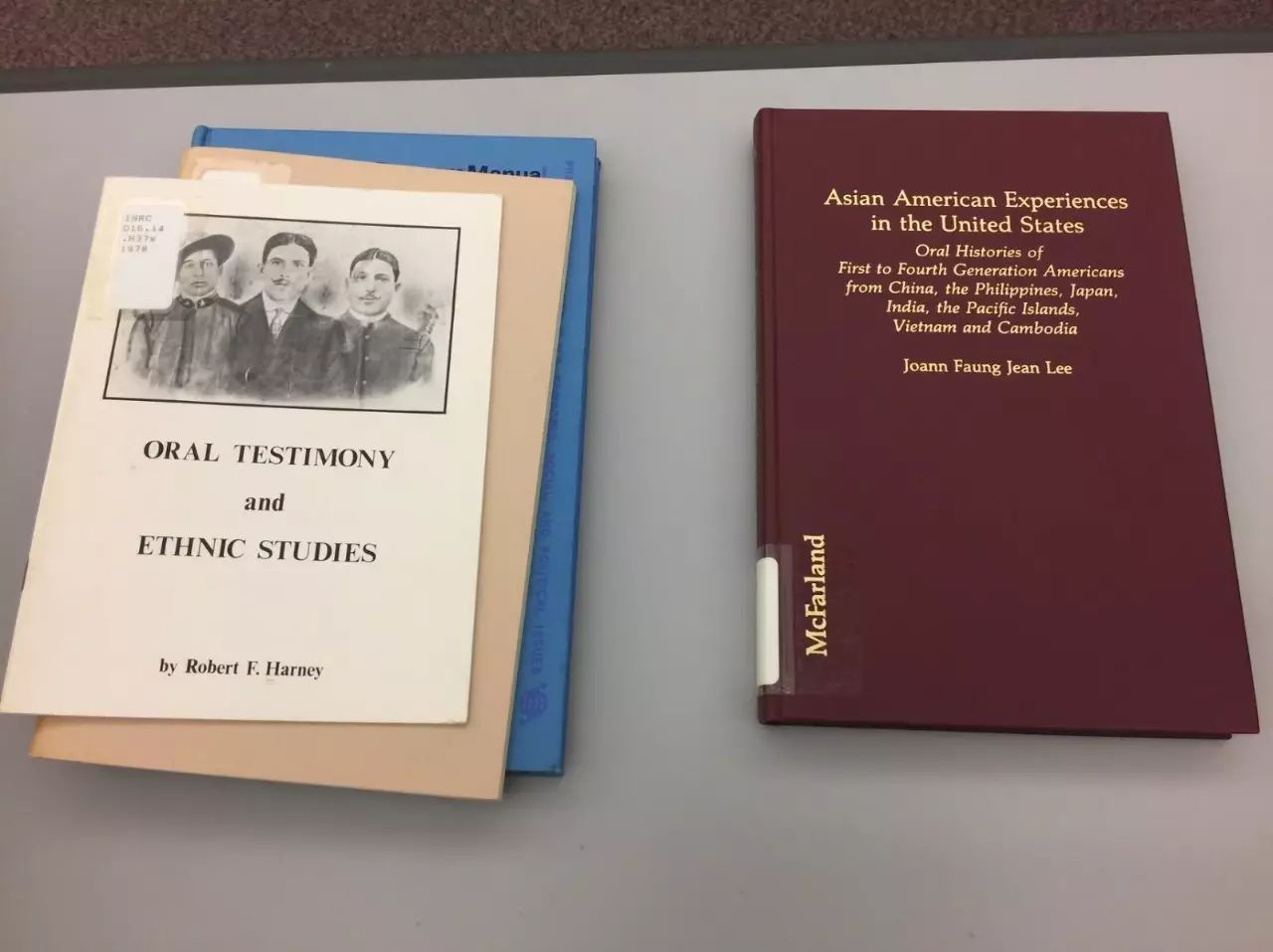
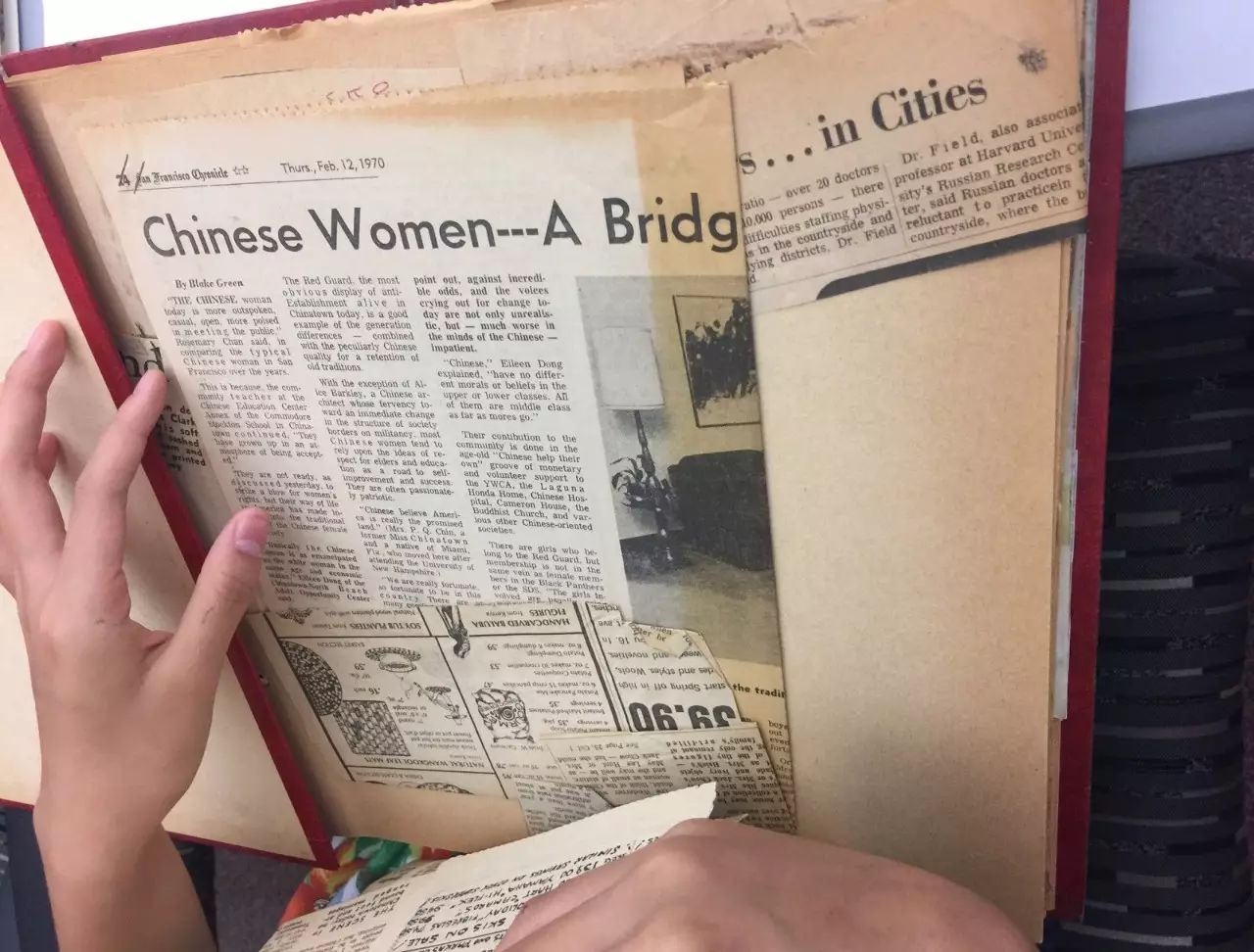
明州大学图书馆移民档案室史料
无数的普通美国人叙述并记载自己家庭的移民史。每个人物的故事徐徐展开,以个人的命运起伏启发大家的共鸣。其间,还播放了图书馆收藏的一段小视频(http://youtu.be/wfcYY6nk_Ko),一个第七代美国华人后裔口述祖辈的移民之路(附观后感)。历史就是这样叙述着昨天的故事,悠远绵长。
美国华人维权联盟是今年四月在明州及IRS注册的非营利组织 (The Association of Chinese Americans For Social Justice) 。我们坚持华人党理念(http://mp.weixin.qq.com/s/B-O74Bq8_NuvVttBjENdDA;http://mp.weixin.qq.com/s/gkDgV8gcUANnlX6XXmkfLw)。
华人党不是专业的政治组织,是着重于唤醒同胞血浓于水的亲情意识。"党"当名词是亲族、集团、乡亲;当动词有偏私和偏袒的意思。其实还表示美、善、或者正直。多么美妙的自称:同族之人,心存善良、正直、维护自己利益。政治应该是每个人的”副业”,我们华人要通过自我教育,摆脱政治迷茫 ,成为精明的公民,思考公民美德、意识和权利。我们鼓励华人参与公共政治,注重提高华人参政素质,加强公民道德和权利教育。我们的工作避免一蹴而就,而是脚踏实地为华人服务。
历史写作是我们的重点项目。得不到真实的历史知识和信息会令我们麻木、迷茫和愚昧。历史写作的目标是回顾历史、教育同胞、警醒后人、思考未来。我们收集整理过往200年华人先辈们经历的一些标志性事件的史料,从中选取十几个专题,以专业的文笔将之发展成一个个丰满、完整、立体的故事,以此来赢得全美五百万华人,乃至中国十三亿华人的广泛关注。美国华人维权联盟是项目发起人,我们也在寻找不同领域的机构合作成为这个项目的共同发起人。
青少年写作是我们美国华人维权联盟历史写作的一个相关项目。关注族群利益从下一代做起,希望华裔下一代有更多人因为内心的志向和人格训练而成为公共政治领域中的治世之才。不论从事高尚的政治事业或以政治为”副业“,都心甘情愿地付出,出于责任感和权利意识而推动华人族群利益。千里之行始于足下。让我们携手共同书写属于我们今天和明天的美国华人历史!
contact us:
https://www.facebook.com/groups/310911239328698/
欢迎扫一扫下面二维码参与讨论:

On May 6th, 1882, President Chester signed H.R. 5804, formally enacting the Chinese Exclusion Act. It was the first law in the history of the United States that banned immigration from a specific ethnic group into the country.
At the time, the ban was extremely popular. “Chinamen” were seen as undesirable people: aliens with strange appearances and customs compared to a mostly white, Christian nation. Unions, such as the Knights of Labor, believed Chinese immigrants were stealing jobs and lowering wages. Politicians claimed that Chinese miners and workers posed a “security threat” towards American culture and ideals.
For a period of 61 years, Chinese immigration to the United States almost completely halted. The only exception to the immigration ban was a familial or working relationship to Chinese merchant or diplomatic officials. Thousands of Chinese immigrants adopted new names, family histories, and relationships in an attempt to circumvent the restrictive regulations and procedures.
Those who failed were deported back to China, often losing their life-savings in an attempt to move to America. Those who succeeded had to live a double life, never be able to reunite with their families or start new relationships in the United States.
The Chinese Exclusion Act would not be repealed until 1943, with the passage of the Magnuson Act as a result of World War II. Today, Chinese immigrants do not face the same challenges that their predecessors encountered 100 years prior. The blanket ban has been repealed and the number of Chinese immigrants living in the United States has skyrocketed since the passage of the Immigration and Nationality Act in 1965.
However, this does not mean the problems of the past have completely vanished. Chinese Americans and other immigrants face widespread discrimination and racism across the country. New fears of terrorism and security risks have made an entire religion a target for bigotry and violence. While Chinese Americans no longer have to face obstacles to immigrating to the United States, many other immigrants have to confront new barriers and hurdles. We must take actions to ensure the mistakes of the past are never repeated in the future.
Last week, for the first activity of the Chinese oral history project group, we took an introductory course at the University of Minnesota Library on some basics: what is oral history, and how it has been done. After an hour very interesting class, we had an opportunity to examine many historical documents and artifacts. Immediately, something caught my eye - documents on the Chinese Exclusion Act, which I don’t know much about. While I read through supreme court cases detailing the struggle of Chinese immigrants to halt this trouble law, I found myself stepping into the past.
One of the most striking realizations I had when reading through these cases was the overt racism that permeated through even the highest level of government at the time. Many of the cases showcased an overriding belief that Chinese witnesses, even those who had been living in America for decades, were inherently less reliable than their white counterparts.
In one case, a Chinese merchant who had been living in the US for several years returned to China to see his family. During his return passage, his ship was attacked by pirates, who stole his identification pass (which were required for re-entry due to the Chinese Exclusion Act) that would allow him back into the States. Despite many testimonies by people who lived in his neighborhood that said that he was indeed the man who had departed for China a few months ago, his appeal was denied. Why? Because he failed to produce a white witness who could vet for his identity.
In another case, the Supreme Court asserted that even the unchallenged testimony of Chinese witnesses was not enough to prove the story of another immigrant. In this case, a young Chinese man was taken into custody by officials at Angel Island. He claimed to have been born in the US, a story confirmed by his mother and father, as well as several other witnesses. The prosecution could not produce a single witness to counter these claims. Even so, the Supreme court ruled on an 8-1 decision to deny the man his status as a US citizen.
In reading through these cases, I feel grateful for the progress that has been made, the stereotypes lessened, and those brave souls who had the courage to stand up to oppression and pave a better path for their children and grandchildren. Though they had not succeeded in their own cases, their resistance paved the way for others who would eventually repeal the law. The men and women of these cases leapt out of the pages, and showed me the courage, resilience, and determination needed to change the future for the better.

作者:欣欣然
本文首发于“美国华人”公众号(ID: ChineseAmericans)


请读者广为转发朋友圈和微信群。其他媒体如要转载,请联络本公众号。
《穆勒组全明星检察官团队,川普焦虑:如何赦免自己?| 彦子追踪》
《从总统阁下夸奖女性之美谈起》
本文由作者投稿,内容不一定代表“美国华人”微信公众号立场。

长按识别二维码,加关注
微信公众号:ChineseAmericans
网站:ChineseAmerican.org
投稿、转载授权:[email protected]
阅读原文 Read more
阅读“美国华人”精选文章
评论
加入讨论
请登录后发表评论
还没有评论
登录成为第一个评论的人。